Freight forwarding services at the Port of Durban
Durban is the busiest container port in sub-Saharan Africa and it handles the majority of South Africa’s containerised imports. If your cargo lands here, the quality of your freight forwarder in Durban decides whether you release in days or sit in demurrage for weeks.
Zeen Freight controls the full Durban chain in-house: ocean booking with the carrier, arrival notice tracking, SARS customs entry, port and terminal releases, container trucking to your door in Gauteng and, where you need it, bonded or general storage while you draw stock down. Because the same team files the customs entry and books the truck, we are not waiting on a third party to tell us the container is available — we watch the terminal status ourselves and slot haulage against it.
We work full container load (FCL) and less than container load (LCL groupage) into Durban Container Terminal Pier 1 and Pier 2, breakbulk and project cargo over Maydon Wharf and Point, and reefer cargo where temperature integrity matters. Importers of machinery, building materials, retail goods, automotive parts, chemicals and FMCG use us because we quote a landed cost, not just a freight rate — so the number you budget is the number you pay.
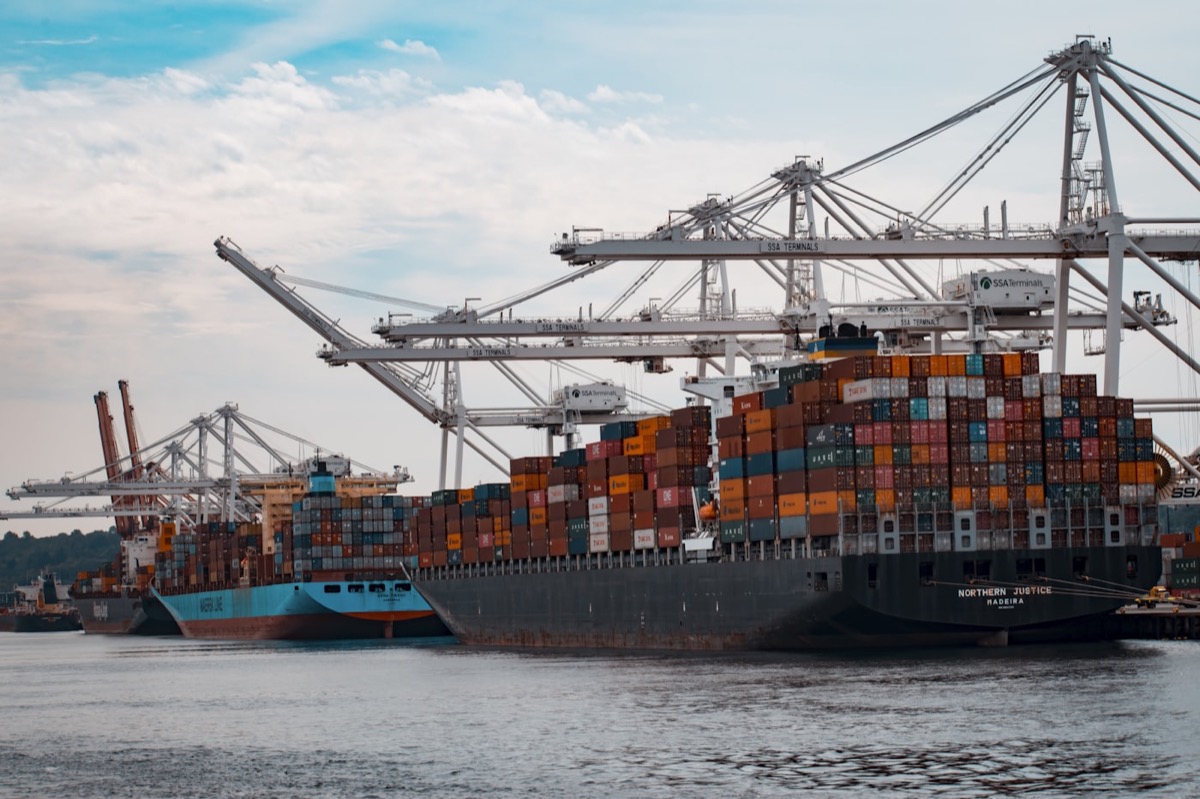
Durban container terminals: Pier 1, Pier 2, Point and Maydon Wharf
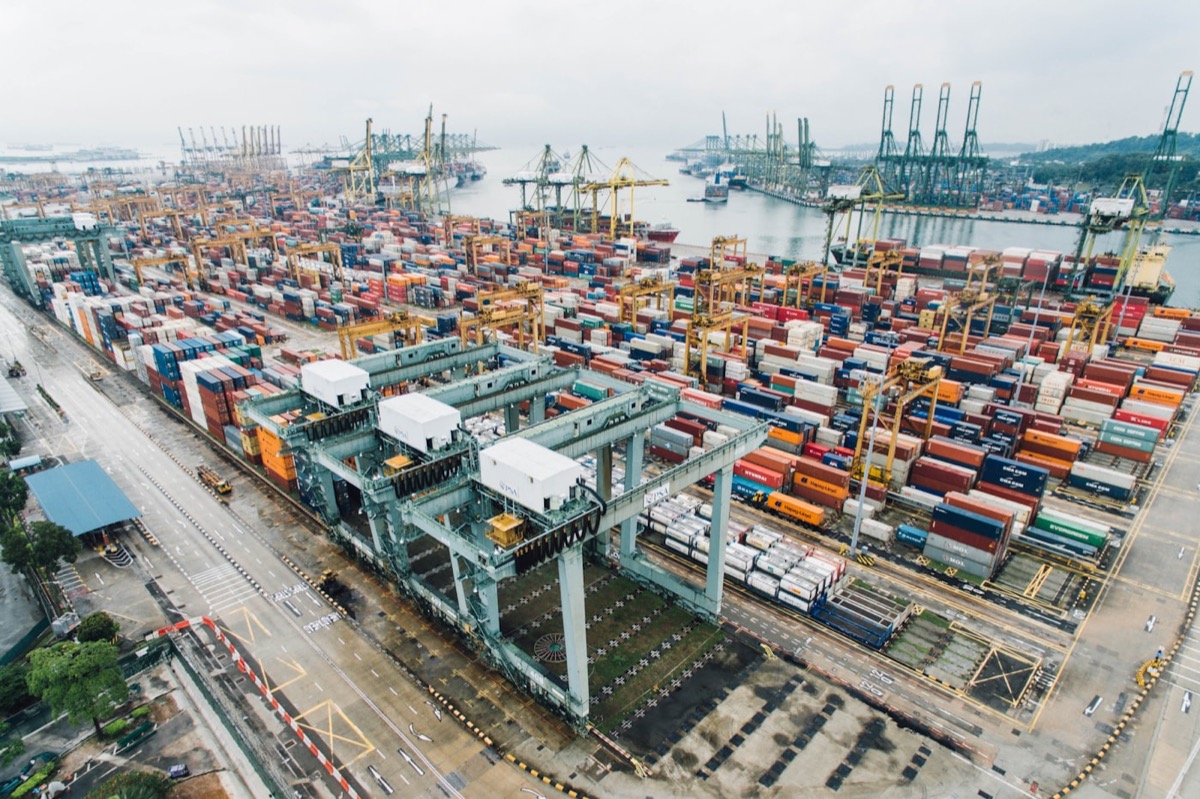
Knowing which terminal your box is going to sit at changes the plan. Pier 2 (Durban Container Terminal) carries the bulk of the deep-sea container volume, Pier 1 handles a growing share of transhipment and mainline calls, Point is used for smaller container and multipurpose work, and Maydon Wharf covers breakbulk, bulk, steel, timber and project cargo. Each has its own gate rhythm, stack dates and truck booking behaviour.
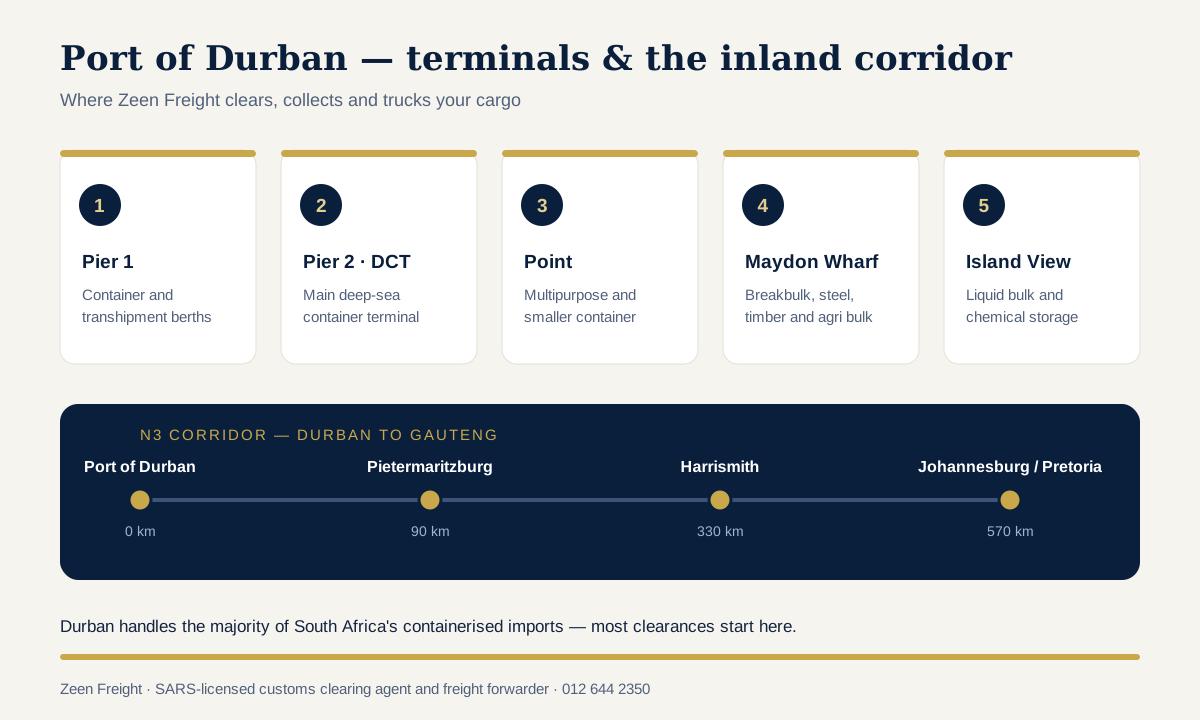
| Terminal | Best suited to | Typical cargo we handle there |
|---|---|---|
| Pier 2 — Durban Container Terminal | Deep-sea FCL volume | 20ft and 40ft imports from Asia, Europe and the Americas |
| Pier 1 | Mainline calls and transhipment | FCL, reefer plugs, regional feeder boxes |
| Point Terminal | Smaller container and multipurpose | LCL consolidations, part loads, coastal moves |
| Maydon Wharf | Breakbulk, bulk and project | Steel, timber, machinery, out-of-gauge and abnormal loads |
We plan around the terminal, not against it. That means matching your stack dates, pre-clearing before vessel arrival wherever the documents allow, and booking haulage the moment the container status flips to available so you are not paying storage while a truck is found.
FCL and LCL sea freight through Durban
If your shipment fills roughly 15 cubic metres or more, a 20ft FCL is usually cheaper per cubic metre than groupage and always faster to release. Below that, LCL keeps your cash flow sensible.
On FCL you pay for the box, so you control the packing, the seal stays intact from origin to your floor, and you avoid the deconsolidation queue at the depot. On LCL your cargo is consolidated with other importers, which is efficient on small volumes but adds handling and depot time at the Durban end, and one badly documented co-loader can delay the whole container.
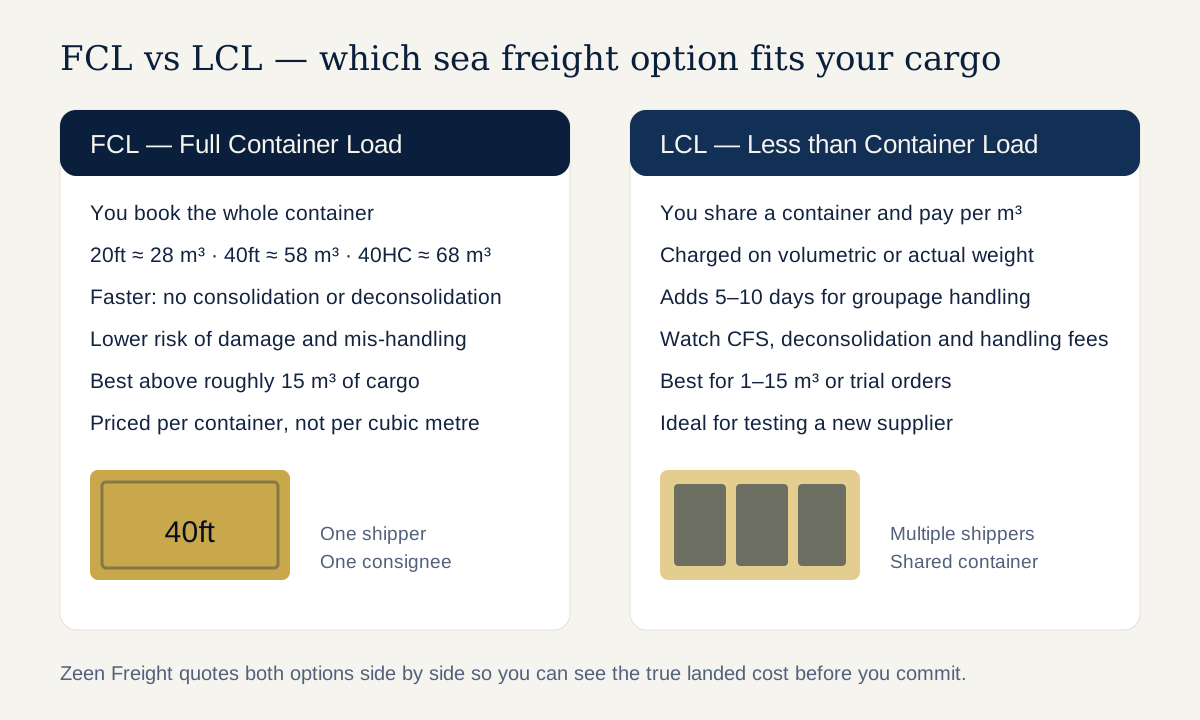
| Option | Volume that suits it | Durban-side handling | Release advantage |
|---|---|---|---|
| 20ft FCL | 15–28 cbm | Straight from terminal to truck | Fastest, seal intact |
| 40ft / 40ft HC FCL | 28–67 cbm | Straight from terminal to truck | Best rate per cbm on volume |
| LCL groupage | 1–14 cbm | Deconsolidation at depot | Low entry cost, pay for space used |
| Reefer | Temperature-controlled | Plug monitoring at terminal | Cold chain kept unbroken |
Not sure which way to go? Send us the packing list and we will price both and tell you honestly which one wins. Full detail on our sea freight services, including container capacities and origin-by-origin transit times, is on the sea freight page.
Customs clearance in Durban — SARS entries, duty and VAT
Most Durban delays are not shipping delays. They are documentation delays. A wrong HS tariff heading, a missing ITAC or NRCS permit, an invoice that does not match the bill of lading, or a value that SARS queries will hold your container while storage and demurrage keep running.
Zeen Freight files your entry as a licensed clearing agent, classifies the goods against the correct tariff heading before the vessel arrives, checks whether a permit or letter of authority is required, and uses our deferment facility so duty and VAT do not have to be wired the same morning you want the box released. If SARS stops the shipment for inspection or valuation, we manage the query directly with the branch rather than handing you a form.

Landed cost is where importers get hurt. Duty is calculated on the customs value, VAT is calculated on the customs value plus duty plus a prescribed uplift, and then port charges, agency, storage and haulage land on top. We show all of it up front. See customs clearance for the full duty and VAT breakdown.
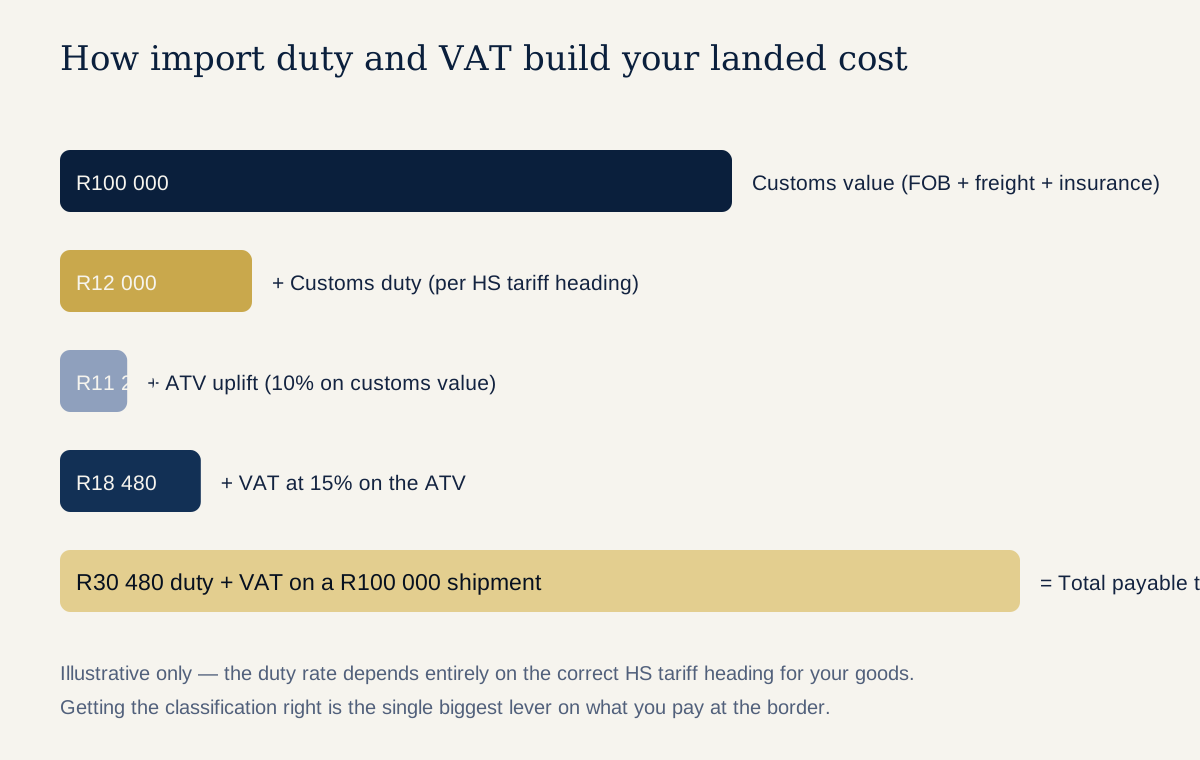
Container trucking from Durban to Johannesburg, Pretoria and Gauteng
The N3 corridor between Durban and Gauteng is the most important freight road in South Africa, and it is where a lot of import plans fall apart.
We move cleared containers off the Durban terminals to Johannesburg, Pretoria, Centurion, Midrand, Kempton Park and the wider Gauteng industrial belt, plus inland destinations in Mpumalanga, North West, the Free State and cross-border into SADC. Options include a straight container haul on a skeletal trailer, a side-tipper or triaxle where the cargo suits it, and drop-and-swap where you need the box on site for a full day to unpack.
Where you would rather not take a full container into your own yard, we can devan at a depot and deliver on a flat deck or tautliner in the quantities you actually need. That keeps your receiving bay sane and stops you paying container detention while your team unpacks by hand.
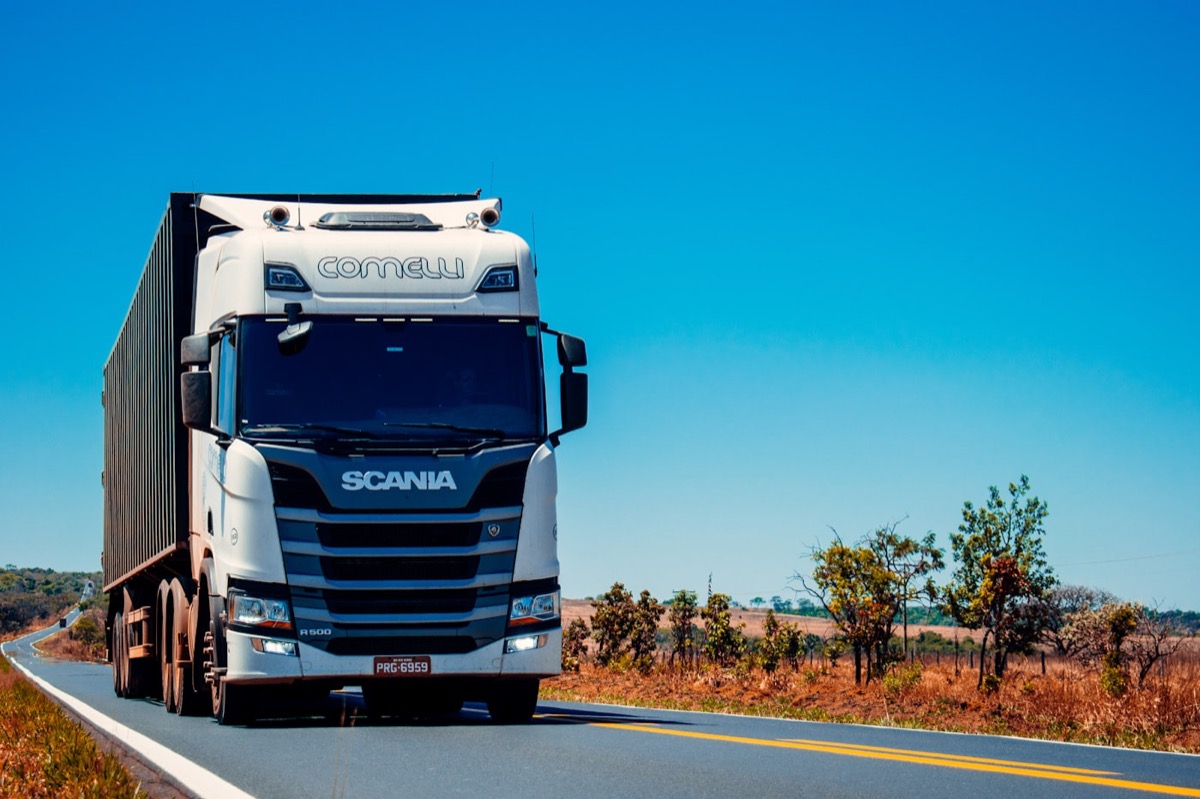
See road freight for FTL and LTL detail, and SADC cross-border road freight if your cargo carries on past our borders.
Durban port congestion — how we protect your transit time
Durban has had well-publicised congestion, weather disruption and equipment constraints, and honest forwarders plan for it instead of pretending it does not exist. Our approach is simple and it is mostly about doing work early.
We collect documents before the vessel sails, not after it berths. We classify and frame the entry while the ship is still at sea so the release is waiting on the container rather than the container waiting on paperwork. We track the actual berthing window instead of the original ETA, we book haulage against terminal availability, and where a lane is genuinely blocked we will tell you whether routing through Cape Town, Gqeberha or Richards Bay makes better commercial sense for that particular shipment.
Documents you need for a Durban import
Get these right and clearance is routine. Get one wrong and you are in a query queue.
| Document | Why SARS wants it | Most common mistake |
|---|---|---|
| Commercial invoice | Establishes the customs value | Value or currency does not match the payment |
| Packing list | Verifies quantities and packing | Cartons and weights differ from the bill of lading |
| Bill of lading | Title and carrier release | Consignee details incorrect, telex release missing |
| Certificate of origin | Preferential duty rates | Not supplied, so full duty is paid unnecessarily |
| Permits (ITAC, NRCS, DALRRD) | Regulated or restricted goods | Applied for after arrival instead of before |
| Importer customs code | Legal right to import | Not registered with SARS at all |
Not registered yet? We can guide you through SARS importer registration before your first container lands, and our supply chain consulting team will sanity-check your Incoterms so you are not accidentally paying for something the supplier should carry.
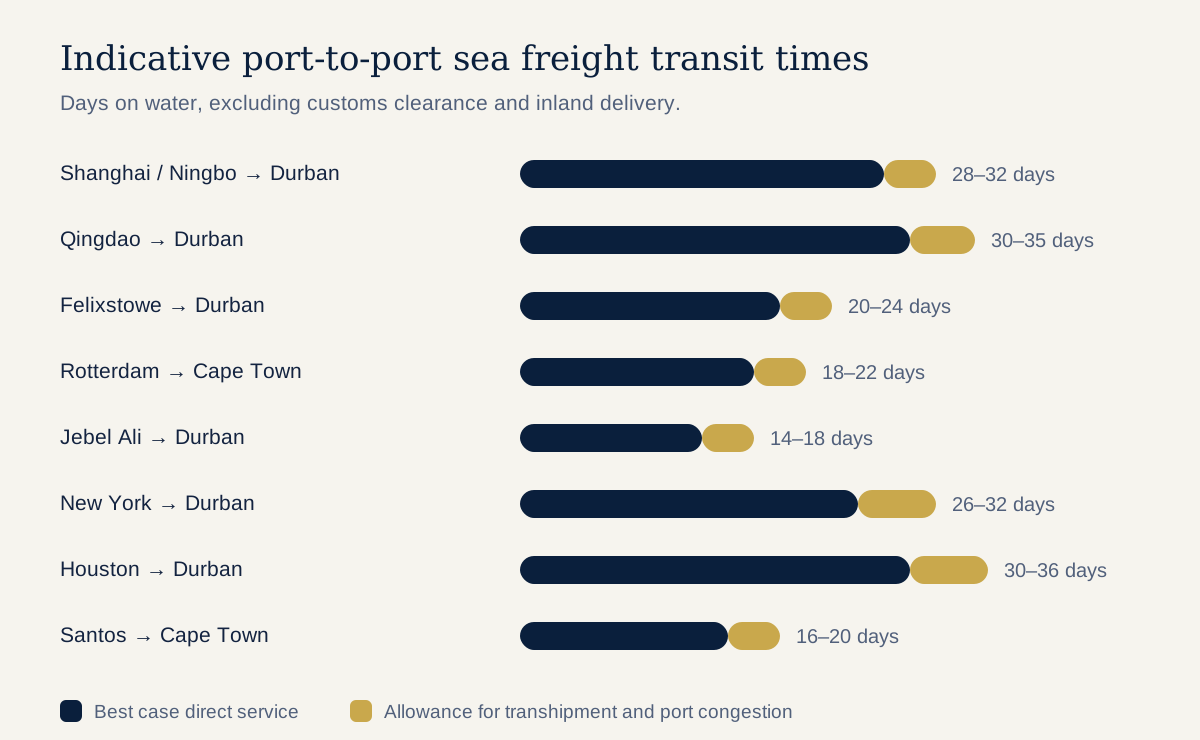
Indicative sea freight transit times into Durban
Port-to-port only, excluding inland leg, customs and any transhipment delay. Use these to budget, then ask us for the live schedule on your lane.
| Origin | Port-to-port into Durban | Notes |
|---|---|---|
| Shanghai / Ningbo, China | 25–35 days | Direct and transhipment services available |
| Shenzhen / Guangzhou, China | 26–36 days | Strong LCL consolidation options |
| Jebel Ali, UAE | 14–21 days | Often the fastest sea option into Durban |
| Felixstowe / Southampton, UK | 21–30 days | Usually via a European hub |
| Rotterdam / Hamburg, Europe | 21–28 days | Frequent sailings, reliable schedules |
| New York / Savannah, USA | 28–40 days | Nearly always transhipped |
| Mumbai / Nhava Sheva, India | 16–24 days | Short haul across the Indian Ocean |
Lane-specific guidance: China to South Africa, UAE to South Africa, UK to South Africa and USA to South Africa.
Why importers choose Zeen Freight in Durban
We are a South African forwarder with a Centurion head office and daily working relationships in Durban, which means you get a person who answers the phone and a landed cost you can plan against. Bigger multinationals will quote you a rate; we take responsibility for the shipment from the supplier’s door to yours, and we tell you early when something is going wrong instead of after the storage bill arrives.
Alongside sea freight and clearing we also offer air freight when a delay has to be recovered, and warehousing and bonded storage in Gauteng so you can defer duty and draw stock down as you sell it.
Frequently asked questions about freight forwarding in Durban
How long does customs clearance take in Durban?
On a clean, complete document set we typically achieve release within 24 to 72 hours of the container becoming available. Where SARS raises a valuation or tariff query, or a permit is outstanding, it takes longer — which is exactly why we pre-clear before the vessel arrives.
Do you handle both FCL and LCL through Durban?
Yes. We book full container loads directly with the carriers and consolidate LCL groupage cargo from all major origins, then deconsolidate and deliver into Gauteng and the rest of South Africa.
Can you truck my container from Durban to Johannesburg?
Yes. We move cleared containers up the N3 corridor to Johannesburg, Pretoria, Centurion and the wider Gauteng area, and we can devan at a depot and deliver on a flat deck or tautliner if a full container will not work at your premises.
What does it cost to import a container into Durban?
It depends on origin, volume, tariff heading and Incoterms. Send us the commercial invoice, packing list and origin port and we will return a full landed cost — ocean freight, port and terminal charges, duty, VAT, clearing and delivery — not just a freight rate.