Full truckload
A dedicated vehicle direct from collection to delivery, for cargo that fills a trailer or needs a fixed delivery window.
Domestic and cross-border trucking
Zeen Freight moves full and part loads across South Africa and into the SADC region — port haulage, national distribution, cross-border trucking and abnormal loads, with the customs documentation handled in-house.
Road is where most freight either arrives on time or quietly loses two days. The difference is rarely the truck — it is whether the container release, the customs entry and the vehicle were sequenced by the same team.
A dedicated vehicle direct from collection to delivery, for cargo that fills a trailer or needs a fixed delivery window.
Shared trailer space for smaller consignments on the main national corridors, at a lower cost per pallet.
Container and loose cargo collection from Durban, Cape Town, Gqeberha, OR Tambo and King Shaka, timed against customs release.
Permits, route surveys and escorts for out-of-gauge cargo, planned alongside the rest of the shipment.
| Route | Approx. distance | Full load transit |
|---|---|---|
| Johannesburg ↔ Durban | 600 km | 1 day |
| Johannesburg ↔ Bloemfontein | 400 km | 1 day |
| Johannesburg ↔ Gqeberha | 1,050 km | 1–2 days |
| Johannesburg ↔ Cape Town | 1,400 km | 2 days |
| Durban ↔ Cape Town | 1,650 km | 2–3 days |
Part loads run longer than full loads on the same route. Transit assumes cargo is available at collection and customs release, where applicable, is already in place.
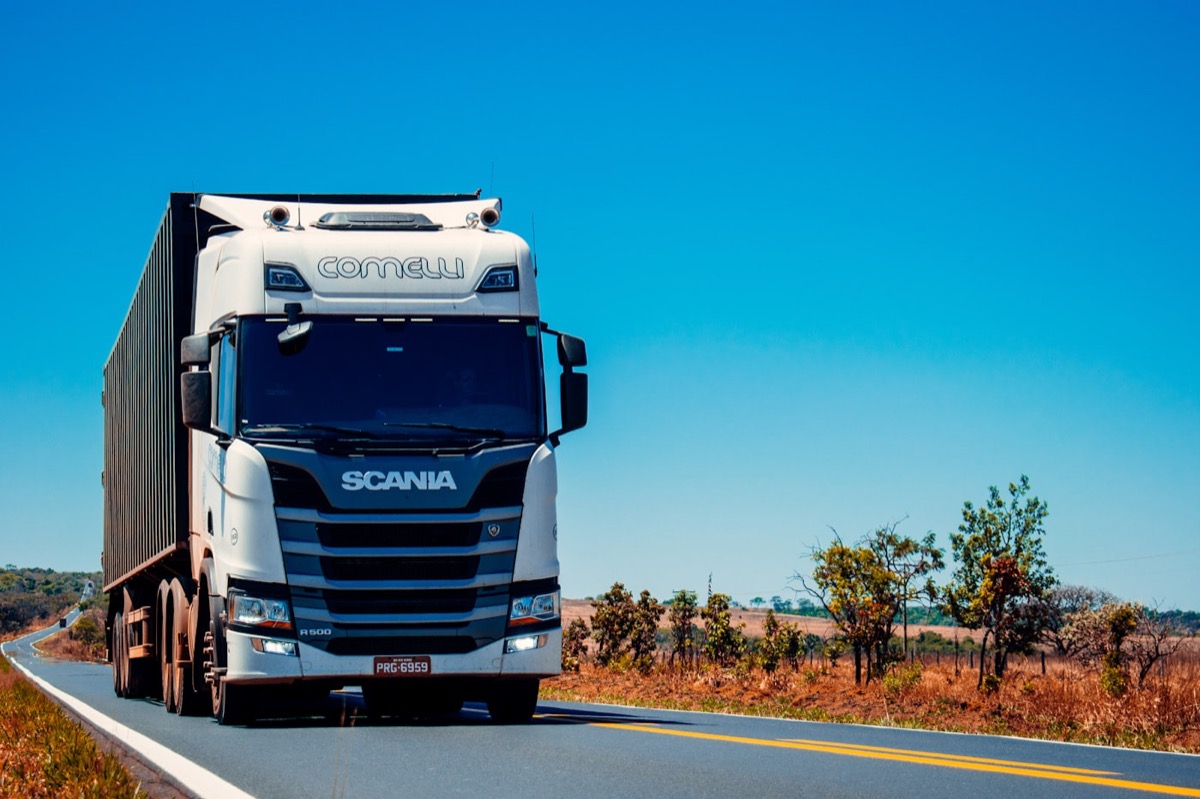
The road leg is usually the last thing planned and the first thing to go wrong. Handling it together with the clearance removes the handover that causes most delays.
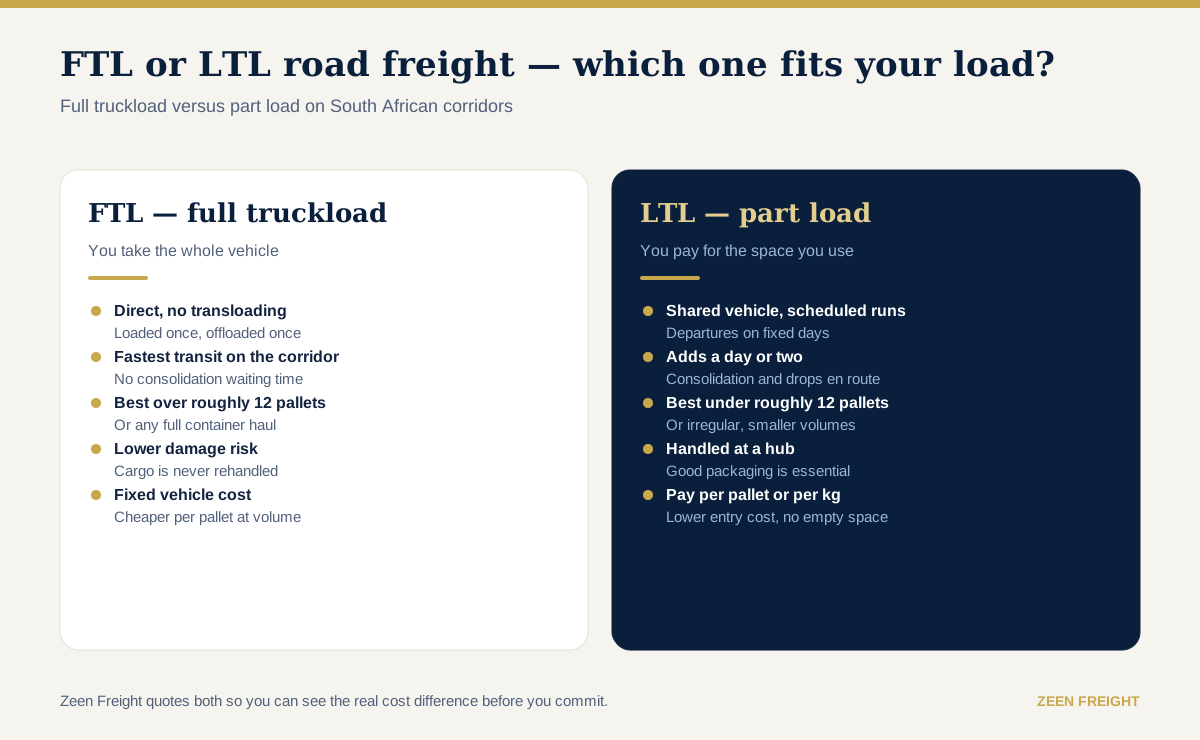
Full truck load makes sense the moment you have enough volume to justify a dedicated vehicle, because you get a direct run with no handling in between and a delivery slot you can actually plan around. Less than truck load moves your pallets on a shared vehicle, which is cheaper on small consignments but adds a day or two and one or two handling points.
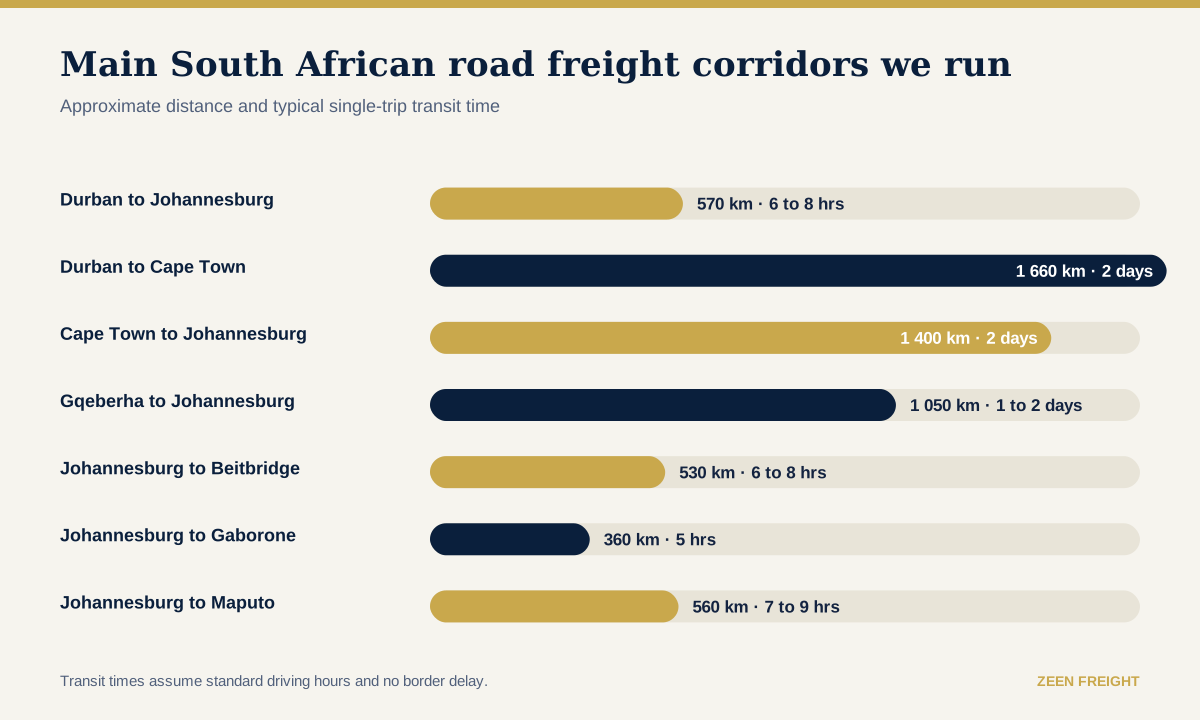
We run the national corridors daily — Durban to Johannesburg, Cape Town to Gauteng, Gqeberha to Gauteng, and the reverse legs — plus container trucking straight off the terminals. For inland container moves we watch loaded axle mass against South African road regulations, because a container that is legal at the quay can be illegal on the N3, and an overloaded truck is a fine plus an offload plus a delay.
Abnormal and out-of-gauge loads are a different discipline again: route surveys, permits from the provincial authorities, escorts where required, and low-bed or flat-rack equipment. We arrange all of it as part of the shipment rather than leaving you to co-ordinate a separate transport contractor.
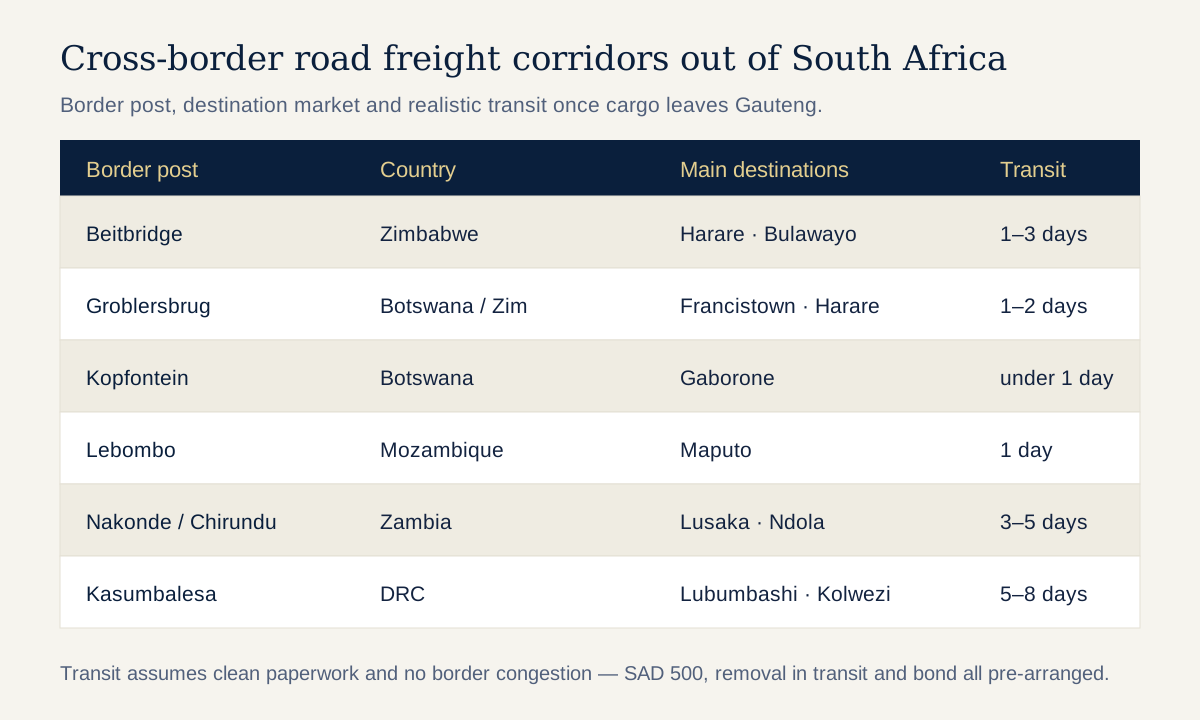
The transit time on a cross-border load is decided at the border, not on the road. A truck to Harare is a comfortable one to three days of driving and can then sit at Beitbridge for a day because a single document was not pre-lodged. We prepare the SAD 500, the removal in transit, the bond and the destination-country entry before the vehicle leaves, so the paperwork is waiting at the post rather than being chased at it.
Our SADC cross-border road freight page covers each corridor in detail, including the Copperbelt run through Kasumbalesa into the DRC where transit and bond management matter most.
Most of our road freight work starts at a port. A container lands in Durban, Cape Town or Gqeberha, we clear it, and then the road leg decides whether the whole import runs on time or bleeds storage.
We collect cleared containers directly off the terminals and haul them inland on skeletal trailers, or we devan at a depot and deliver the cargo on a flat deck, tautliner or closed body in the quantities your receiving bay can actually handle. On the Durban to Johannesburg run — roughly 570 km on the N3 — a straight haul is normally six to eight driving hours, so a container released in the morning can be on your floor the same day if the paperwork is clean.
The reason we keep the customs entry and the truck booking under one roof is timing. A forwarder who only books trucks has to wait to be told the container is available; because we file the entry ourselves, we watch the release and terminal status directly and slot the vehicle against it. That is usually the difference between paying container detention and not paying it.
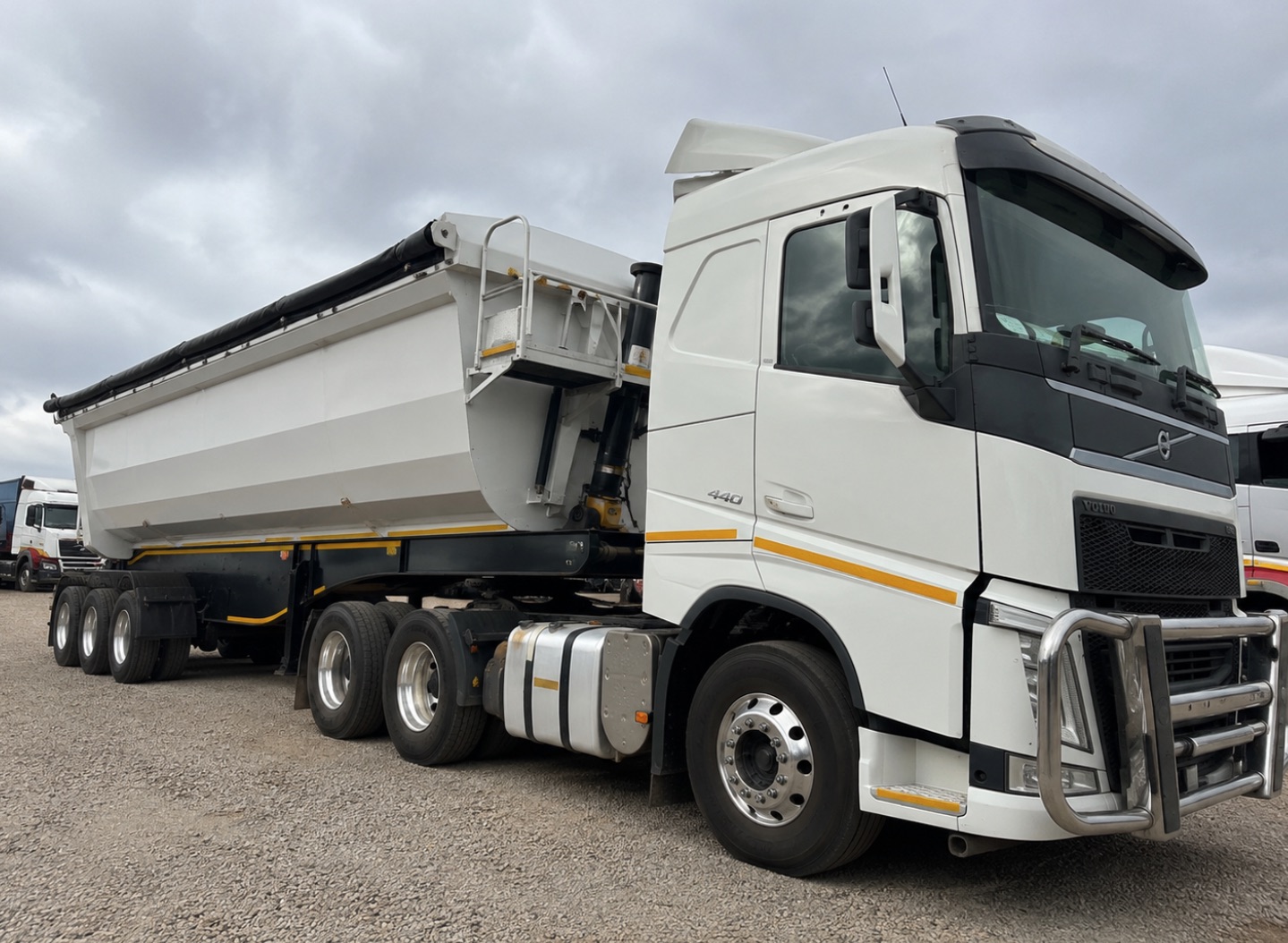
Not everything fits in a box. We move out-of-gauge and abnormal loads with the required permits and escorts, bulk commodities on side-tippers and interlinks, steel and timber on flat decks, and temperature-sensitive freight on refrigerated units. Where a load needs a route survey, low-bed equipment or an abnormal load permit from the provincial roads authority, we arrange it and build the lead time into the plan rather than discovering it at the loading point.
Project cargo gets the same treatment as containerised freight: a written plan, a named contact and a cost that is agreed before the vehicle moves. If the cargo is arriving by sea as breakbulk over Maydon Wharf or Saldanha, we coordinate the discharge, the clearing and the road leg as one job.
Road freight pricing is driven by distance, vehicle type, weight, whether the vehicle can find a return load, waiting time at both ends and fuel. The levers that actually work are practical ones. Load to the vehicle’s legal payload rather than half-filling it. Pair inbound and outbound legs so a truck is not running empty. Book collection slots so drivers are not standing for hours. Consolidate small consignments into a scheduled part-load service instead of paying for urgency you do not need.
We quote FTL and LTL side by side, tell you honestly which one wins on your volume, and flag when waiting time or after-hours delivery is going to add cost before it appears on an invoice.
Cargo carrying on past our borders? See SADC cross-border road freight. Landing at the coast first? Start with our Durban freight forwarding page.
A road freight rate is never just fuel and kilometres. Understanding the build-up is how you stop overpaying without dropping to an operator who cannot deliver.
Distance sets the floor, but four other factors decide the final number. Direction matters, because a load running Durban to Johannesburg competes with thousands of others while the return leg often runs empty; if we can pair your load with a return, the rate improves immediately. Density matters, because a trailer fills on volume long before it reaches its 34-tonne payload for most general cargo, and you pay for the space you occupy. Handling matters, because tail-lift deliveries, hand off-loading, timed slots into retail DCs and after-hours access all add labour that has to be priced. Finally, risk matters: high-value electronics, tobacco and pharmaceuticals attract escort, tracking and insurance requirements that a pallet of packaging material never will.
Below roughly six pallets, groupage almost always wins on cost. Between six and fourteen pallets you are in the grey zone, where a dedicated part-load with a guaranteed delivery day can beat groupage on total cost once you price in the risk of a missed retail slot. Above fourteen pallets, or where the cargo cannot be double-stacked, a full trailer is usually both cheaper per unit and safer for the goods, because the load is handled twice rather than six times. We run the comparison for you rather than defaulting to whichever mode is easiest to book.
The single most common leak is container detention. Shipping lines allow a limited free period before daily detention charges start, and a truck that arrives at the port without a valid release, a booked slot or a confirmed off-loading window burns that free time fast. The second leak is triangulation failure: booking a one-way trip when a triangulated routing was available. The third is paying for a full 34-tonne payload on cargo that cubes out at eighteen tonnes. All three are planning problems, not rate problems, which is why we plan the inland leg at the time of booking the ocean or air leg rather than after arrival.
Carrier liability is not cargo insurance. Under standard trading conditions a road carrier limits liability to a low per-kilogram figure, which will not replace a damaged machine or a stolen consignment of electronics. We arrange goods-in-transit cover sized to the actual invoice value, and every load runs on a tracked vehicle with a signed proof of delivery returned to you the same day. If something does go wrong, you have the tracking record, the POD and a claim handled by the same team that booked the load, not a call centre in another province.
Both. A full truckload is dedicated to your cargo and moves direct from collection to delivery, which is the fastest and most predictable option. A part load shares the vehicle with other consignments, which is cheaper per pallet but adds time for consolidation and for other drops on the route. Which one makes sense usually comes down to whether you are filling more than about half a trailer.
As a guide, Johannesburg to Durban is about one day, Johannesburg to Bloemfontein one day, Johannesburg to Gqeberha one to two days, and Johannesburg to Cape Town two days. Part loads take longer than full loads on the same route because of consolidation and multiple deliveries.
Yes. Port haulage from Durban, Cape Town and Gqeberha to inland destinations is a core part of what we do, and because we also handle the customs entry we can time the collection against the release rather than waiting for someone else to confirm it. That is what keeps containers out of demurrage.
Yes, into Zimbabwe, Zambia, Botswana, Mozambique, Namibia and Lesotho through the main border posts. Cross-border work needs export declarations, transit documentation and origin certificates prepared before the truck leaves, which we cover in detail on our SADC road freight page.
Out-of-gauge cargo needs permits, route surveys and sometimes escort vehicles, and the permitting lead time is longer than standard freight. Send us dimensions, weights and the centre of gravity as early as you can so the planning can start in parallel with the rest of the shipment.
Carrier liability is limited and is not the same thing as insurance. We recommend goods-in-transit cover for the full commercial value of the cargo, and we can arrange it per load or as an annual policy.
Yes. Short-term staging and longer-term warehousing are available, which is useful when a container needs to be unpacked quickly to avoid detention but the customer cannot take full delivery yet.
Send us the origin, destination, commodity and rough weight or volume and we will come back with a landed cost, not just a freight rate.