Air freight
Direct and deferred services between OR Tambo (JNB) and London Heathrow (LHR), plus Cape Town International, with onward trucking anywhere in the UK.
UK–SA air and ocean freight
Zeen Freight moves commercial imports and exports on the South Africa–United Kingdom lane by air and by sea, from collection and carrier booking through customs clearance to final delivery on either end.
The right mode depends on how much time you can trade for cost. Air freight buys you days; ocean freight buys you volume. Most regular importers end up using both — sea for planned inventory, air for the gaps.
Direct and deferred services between OR Tambo (JNB) and London Heathrow (LHR), plus Cape Town International, with onward trucking anywhere in the UK.
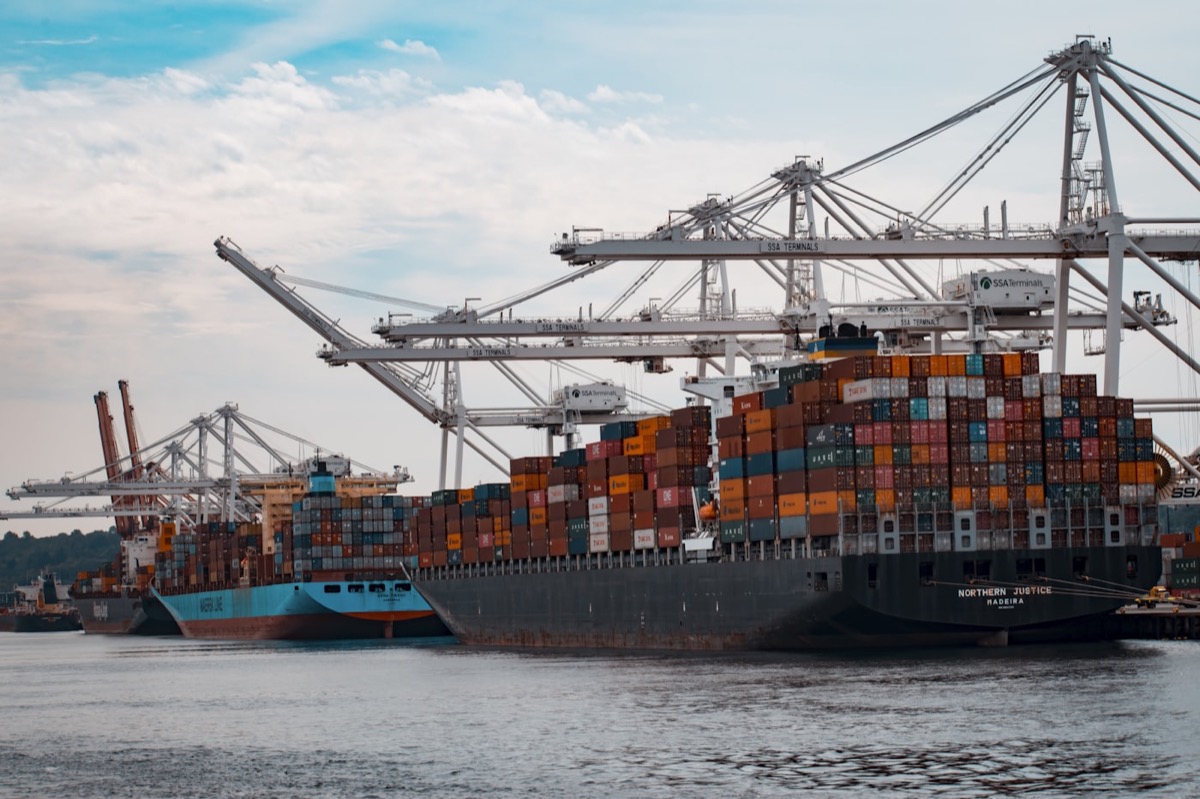
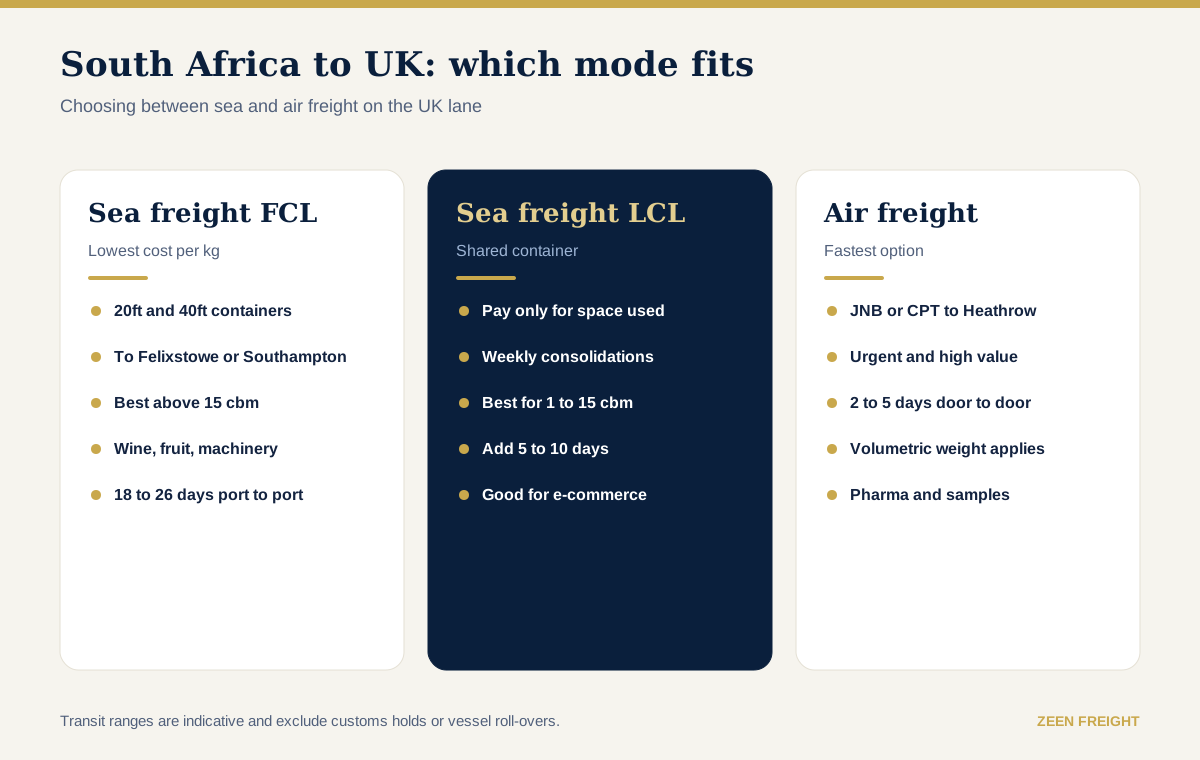
Full 20ft and 40ft containers from Durban, Cape Town and Gqeberha to Felixstowe, Southampton and London Gateway.
Groupage space for part loads, priced per revenue ton, with weekly consolidations on the main UK services.
Collection, export clearance, freight, import clearance and delivery under one booking and one point of contact.
| Mode | Indicative transit | Best for |
|---|---|---|
| Air freight (priority) | 3–7 days airport to airport | Urgent, high-value or time-sensitive cargo |
| Air freight (deferred) | 5–10 days airport to airport | Cost-conscious cargo that still needs to fly |
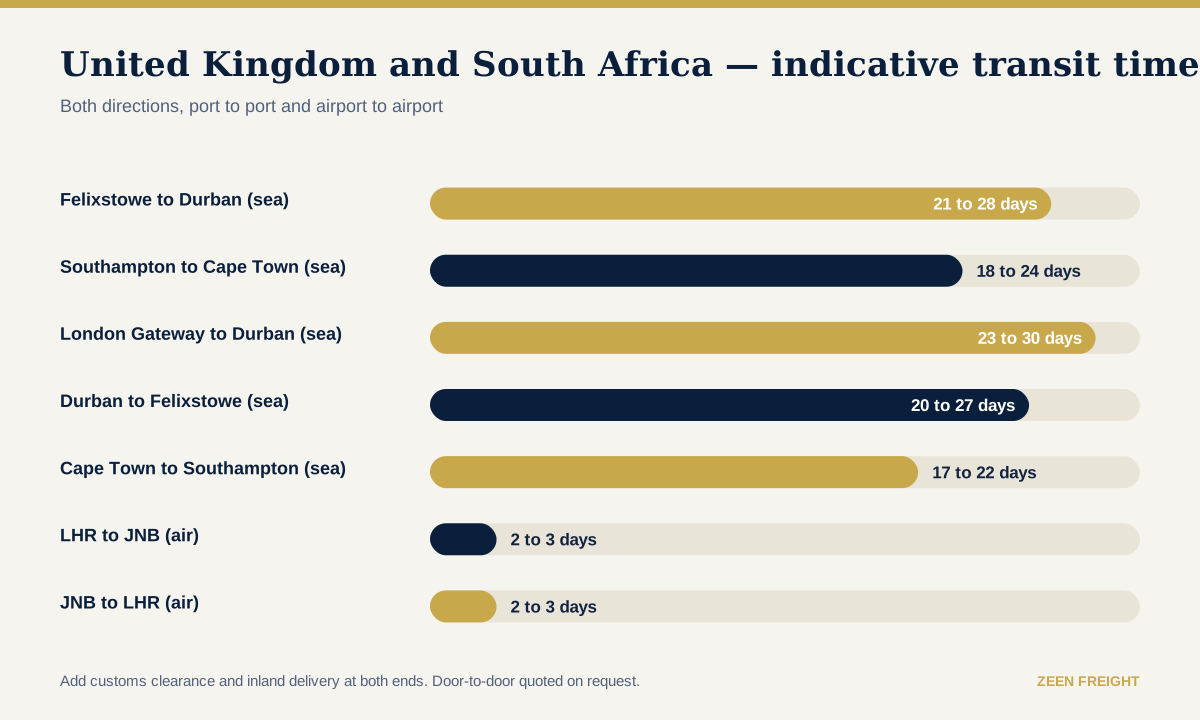
| Ocean FCL | 18–30 days port to port | Full containers and scheduled inventory |
| Ocean LCL | 24–38 days port to port | Smaller consignments sharing container space |
Allow a further 2 to 5 working days at each end for collection, customs clearance and final-mile delivery. Transit varies with carrier schedules, transhipment and port congestion, so every quote is issued against a named sailing or flight.
| South Africa | United Kingdom | Mode |
|---|---|---|
| OR Tambo, Johannesburg (JNB) | London Heathrow (LHR) | Air |
| Cape Town International (CPT) | London Heathrow (LHR) | Air |
| Durban (ZADUR) | Felixstowe, London Gateway | Ocean |
| Cape Town (ZACPT) | Southampton, Felixstowe | Ocean |
| Gqeberha (ZAPLZ) | Southampton | Ocean |
The UK lane has two customs events, and both need to be right. Getting the paperwork wrong at origin creates a delay you only discover on arrival.
Zeen Freight is a SARS-licensed clearing agent. We lodge the SAD500 bill of entry, classify the tariff heading, calculate duty and 15% VAT on imports, and confirm your customs client code is registered.
UK importers need a GB EORI number and a customs declaration. Duty is charged per the UK tariff for the commodity, plus import VAT at the applicable rate. We coordinate with UK-side partners so the entry is lodged before arrival.
Depending on the commodity and the agreement in force, a certificate of origin or EUR1 can reduce or remove duty. We flag whether it is worth obtaining before you ship.
This is one of the better-served lanes out of South Africa, which means you have real choices rather than one routing at one price.
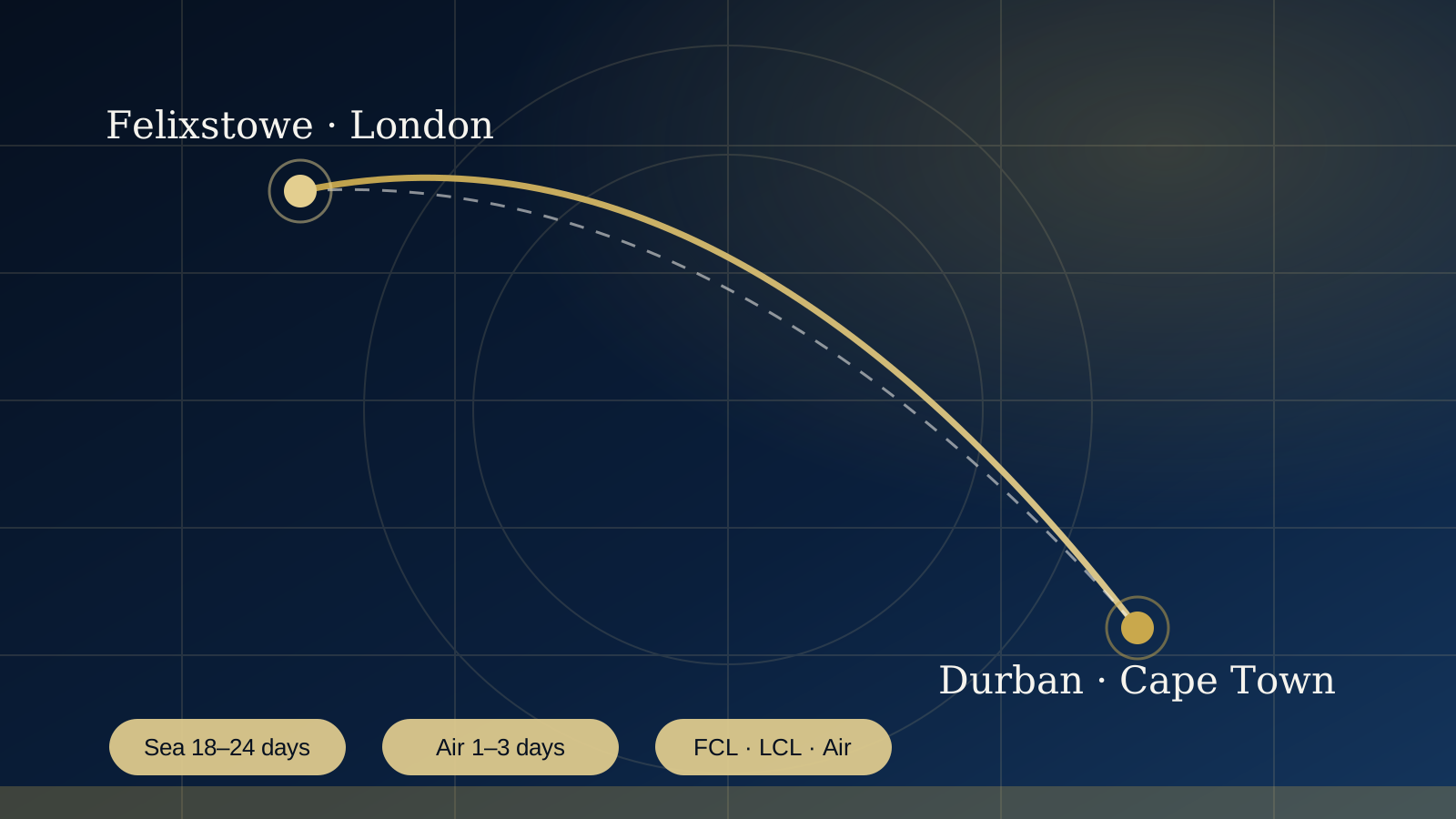
By sea, expect 18 to 24 days port to port into Felixstowe or Southampton on a direct service, with London Gateway and Tilbury also worked. Add roughly a week either side for collection, clearance and inland delivery and a realistic door-to-door is four to five weeks. Full containers from Cape Town or Durban price well on this route; LCL groupage is available weekly and makes sense below about 13 cubic metres, though UK destination charges on small consignments deserve a close look before you commit.
By air, direct overnight services from Johannesburg and Cape Town to Heathrow put cargo in the UK the next morning, and a two to three day door-to-door is genuinely achievable. It costs several times more per kilogram, so it earns its place on high-value goods, samples, spares, perishables and anything with a fixed deadline. For SA agricultural exporters the cold chain matters more than the transit time — a phytosanitary certificate and an unbroken temperature record are what get the consignment accepted at the other end.
Two customs authorities means two sets of paperwork, and post-Brexit the UK side is a genuine entry rather than an intra-EU formality.
On the South African side we lodge the export entry, handle any SARS documentary requirements, and deal with export permits where the commodity needs one. Where you are claiming preferential treatment under the SADC–EU EPA or the UK equivalent arrangement, the certificate of origin has to be right and supported — a preference claimed without valid documentation is the kind of thing that surfaces in an audit years later.
On the UK side your consignee needs an EORI number, an import declaration, and to account for UK duty and import VAT. Where you are selling delivered rather than ex-works, that liability is effectively yours, and we will tell you plainly when a DDP arrangement into the UK is going to cost you more than it saves. We coordinate with UK agents so the entry is prepared before the vessel or aircraft arrives instead of after.
The UK–South Africa lane carries as many households as it does commercial containers. The rules are different, and getting them wrong turns a move into a customs problem.
For a permanent relocation into South Africa, used household goods and personal effects can normally be imported free of duty provided the owner qualifies as an immigrant or returning resident, the goods were owned and used abroad, and the correct declaration is lodged with supporting documents. That means passport, visa or permit, a detailed valued inventory, proof of residence abroad and, for returning residents, evidence of the period spent outside South Africa. Vehicles are treated entirely separately and almost always require an import permit and a letter of authority — do not assume a car travels with the furniture.
Going the other way, into the UK, transfer of residence relief has its own conditions and its own paperwork. New goods, goods bought shortly before the move, alcohol, tobacco and certain restricted items are treated differently to genuine used effects. We prepare the inventory properly, brief you on what will and will not qualify, and appoint the receiving agent so the clearance is not left to chance at the other end.
Practically, you have three options: a dedicated 20ft or 40ft container for a full house, a shared container on a groupage service for a part load, or air freight for the small volume of things you cannot be without. Groupage is far cheaper but adds consolidation and deconsolidation time at both ends, so plan for weeks rather than days.
Commercial cargo is a different exercise. Importing into South Africa from the UK, duty is assessed on the customs value using the tariff heading that applies to the goods, and VAT is then calculated on the customs value plus duty plus the prescribed uplift. Because the UK is no longer inside the EU customs union, the origin documentation that used to be accepted has changed — and a certificate of origin that does not match the current position simply means you pay the full duty rate unnecessarily.
Exporting from South Africa into the UK, your buyer needs a compliant commercial invoice, an accurate commodity code, correct origin evidence and, for food, plant or animal products, the relevant health or phytosanitary certification. South African agricultural and wine exporters in particular should treat the certification lead time as part of the transit time, because a container that misses its documentation misses its sailing.
We handle the export entry on the South African side, appoint and instruct the clearing agent in the UK, and keep both sets of paperwork consistent. One invoice, one set of values, one commodity code across every document — that is what keeps a shipment out of a query queue.
Related: sea freight services, air freight and customs clearance.
Air freight is typically 3 to 7 days airport to airport between OR Tambo and London Heathrow. Ocean FCL runs about 18 to 30 days port to port to Felixstowe, Southampton or London Gateway, and LCL about 24 to 38 days because of consolidation and deconsolidation. Add 2 to 5 working days at each end for collection, customs and final delivery.
Ocean rates move with carrier capacity and season, so we quote per sailing rather than publish a fixed price. What we can tell you is what the quote must include: the ocean freight, origin terminal handling and export documentation, the bill of lading, UK destination charges, the customs entry at both ends, duty and import VAT, and inland delivery. Ask any forwarder for that full breakdown before comparing numbers.
Yes. Businesses importing into Great Britain need a GB EORI number to lodge customs declarations. If you are exporting from South Africa you also need a customs client code registered with SARS. We confirm both are in place before the cargo moves, because a missing registration is the most common cause of cargo sitting at a terminal.
On the ocean side, Felixstowe, Southampton and London Gateway are the usual discharge ports, with Liverpool used for some services. On the air side, London Heathrow is the main gateway, with onward trucking anywhere in the UK. From South Africa we load through Durban, Cape Town and Gqeberha for ocean, and OR Tambo and Cape Town International for air.
Yes. Door to door means we collect at the origin address, handle export clearance, move the cargo, clear it on import and deliver to the final address. It is the simplest option to manage, and it is usually the fairest comparison between quotes because nothing is left out of scope.
A commercial invoice, a packing list, and either an air waybill or a bill of lading. South African export cargo needs a SAD500 declaration and a registered customs client code. On the UK side you need a GB EORI number and a customs declaration. A certificate of origin or a EUR1 may reduce duty depending on the commodity and the trade agreement that applies.
Carrier liability is limited by convention and is not the same as insurance. We recommend marine or air cargo insurance covering the full commercial value plus freight, and we can arrange a certificate per shipment or an annual policy.
Send us the origin, destination, commodity and rough weight or volume and we will come back with a landed cost, not just a freight rate.