FCL — full container load
20ft, 40ft, 40ft high-cube, reefer and open-top equipment booked directly with the carrier. Your cargo travels sealed from origin, which keeps handling and transit time down.
Ocean freight · FCL & LCL
Zeen Freight is a SARS-licensed sea freight forwarder and customs clearing agent moving full and part container loads through Durban, Cape Town, Gqeberha and Richards Bay to and from more than 80 countries.
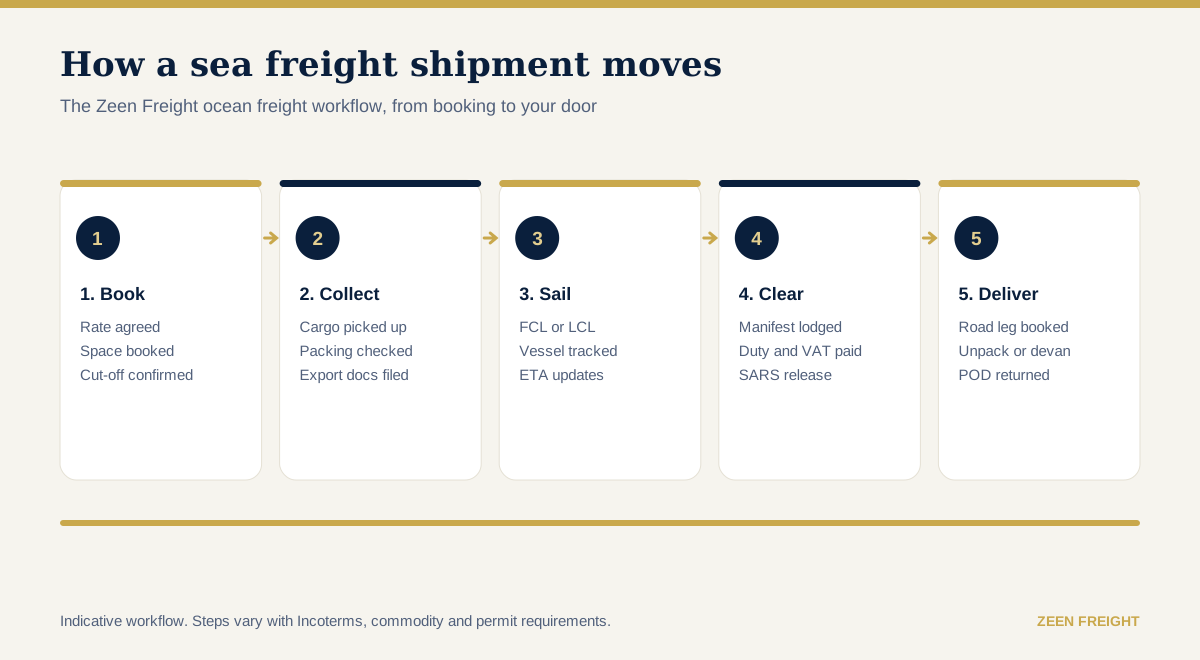
Sea freight is the cheapest way to move volume into and out of South Africa, but it only works when the booking, the customs entry and the inland leg are coordinated by one team. That is what we do: one point of contact from the origin booking through to delivery at your door.
20ft, 40ft, 40ft high-cube, reefer and open-top equipment booked directly with the carrier. Your cargo travels sealed from origin, which keeps handling and transit time down.
Consolidated shipments for cargo that does not justify a full container, priced per revenue ton with weekly departures on the major lanes.
Out-of-gauge and heavy-lift cargo on flat racks, open-tops or as breakbulk, with lifting plans and port coordination arranged up front.
SARS entries, tariff classification, duty and VAT calculation, port release and inland haulage to Gauteng or anywhere in the country.
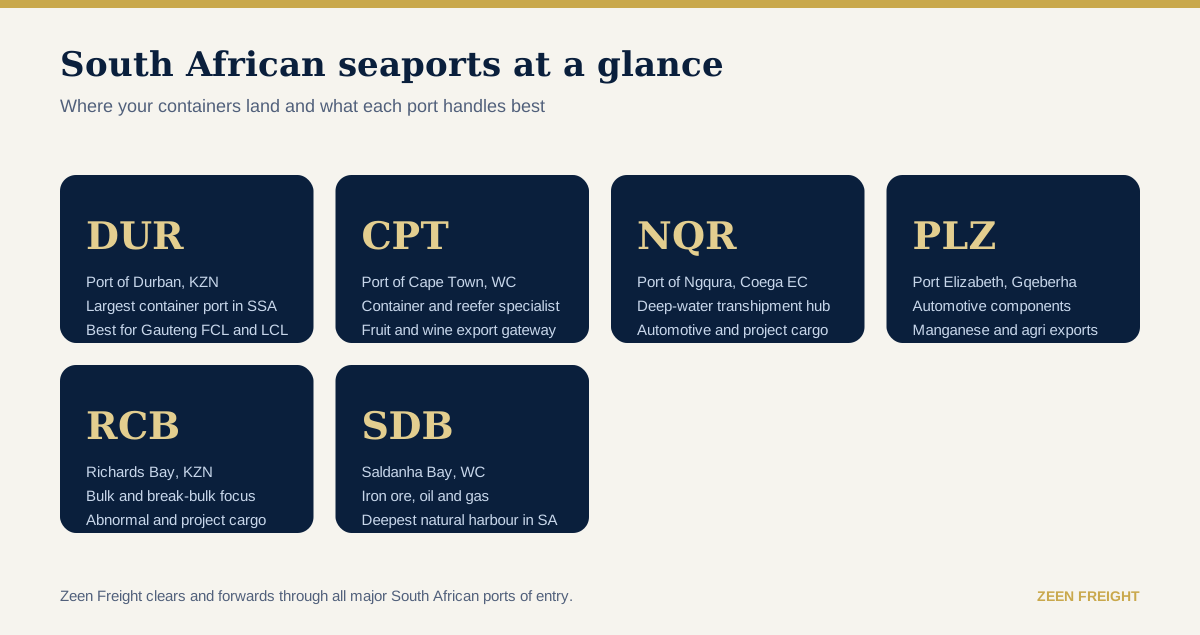
Choosing the right port of discharge often saves more money than shaving the ocean rate, because it changes your inland haulage cost and your clearance timeline.
| Port | UN/LOCODE | Typically used for |
|---|---|---|
| Durban | ZADUR | The busiest container port in sub-Saharan Africa. Default discharge port for Asia, Middle East and most Gauteng-bound cargo. |
| Cape Town | ZACPT | Western Cape imports and exports, reefer and perishable cargo, and Northern Europe services. |
| Gqeberha (Port Elizabeth) | ZAPLZ | Automotive components and Eastern Cape industrial cargo. |
| Ngqura | ZANGQ | Deep-water transhipment hub next to Coega, used for larger vessels. |
| Richards Bay | ZARCB | Bulk, breakbulk and heavy project cargo. |
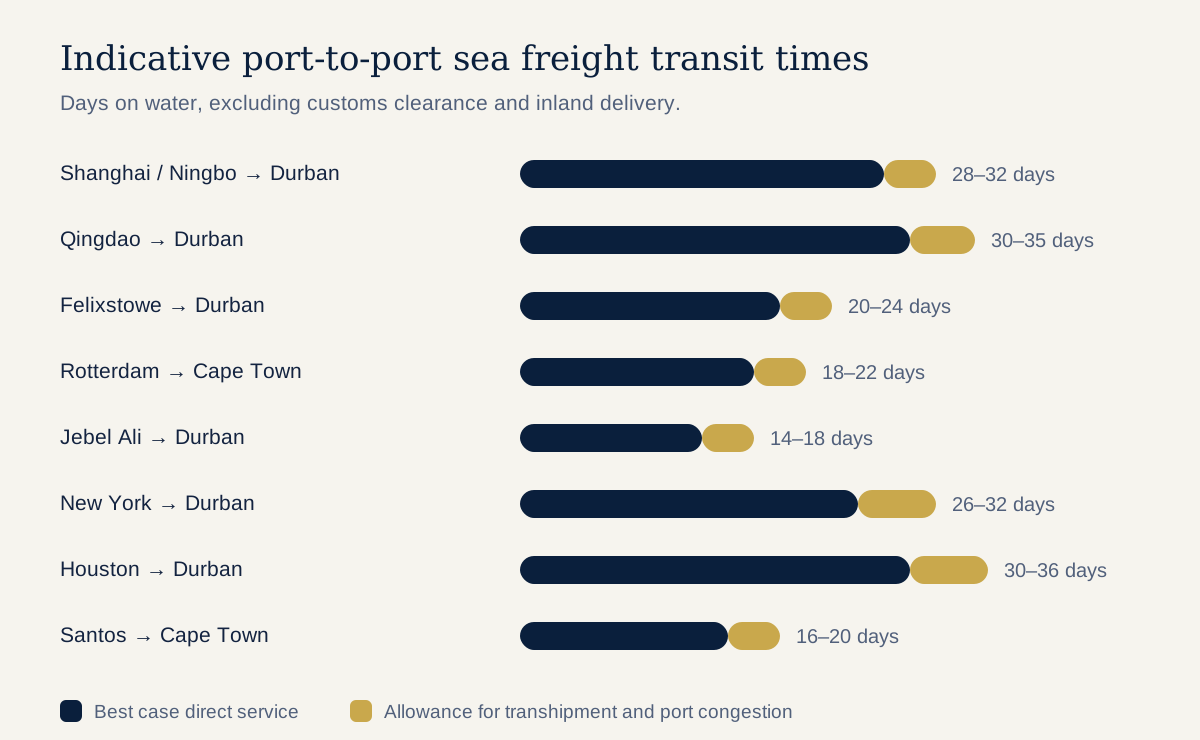
Port-to-port guidance only. Actual transit depends on the carrier, whether the service is direct or transhipped, and congestion at either end. We confirm a named vessel and sailing date with every booking.
| Lane | FCL | LCL |
|---|---|---|
| Jebel Ali (UAE) → Durban | 14–22 days | 20–30 days |
| Shanghai / Ningbo / Shenzhen → Durban | 25–35 days | 30–45 days |
| Felixstowe / Southampton → Durban or Cape Town | 18–30 days | 24–38 days |
| Rotterdam / Hamburg → Cape Town | 18–28 days | 24–36 days |
| US East Coast → Durban | 25–38 days | 30–45 days |
| Durban → Felixstowe (export) | 18–30 days | 24–38 days |
The ocean rate is rarely more than half the landed cost. Quotes that look cheap usually leave the rest out, so here is the full picture.
Commercial invoice, packing list, bill of lading and a SAD500 bill of entry. Importers and exporters also need a customs client code registered with SARS.
Certificate of origin, a EUR1 where preferential European origin applies, a SADC certificate for regional trade, and a marine insurance certificate.
ITAC import permits, NRCS letters of authority for regulated goods, DAFF permits for agricultural products, and SAHPRA approvals where relevant.
Most importers overpay because they book the wrong container mode, not because they got a bad rate. The break-even between LCL groupage and a full 20ft container usually sits somewhere around 13 to 15 cubic metres, and once you are above it a full container is almost always cheaper per unit as well as faster and safer.
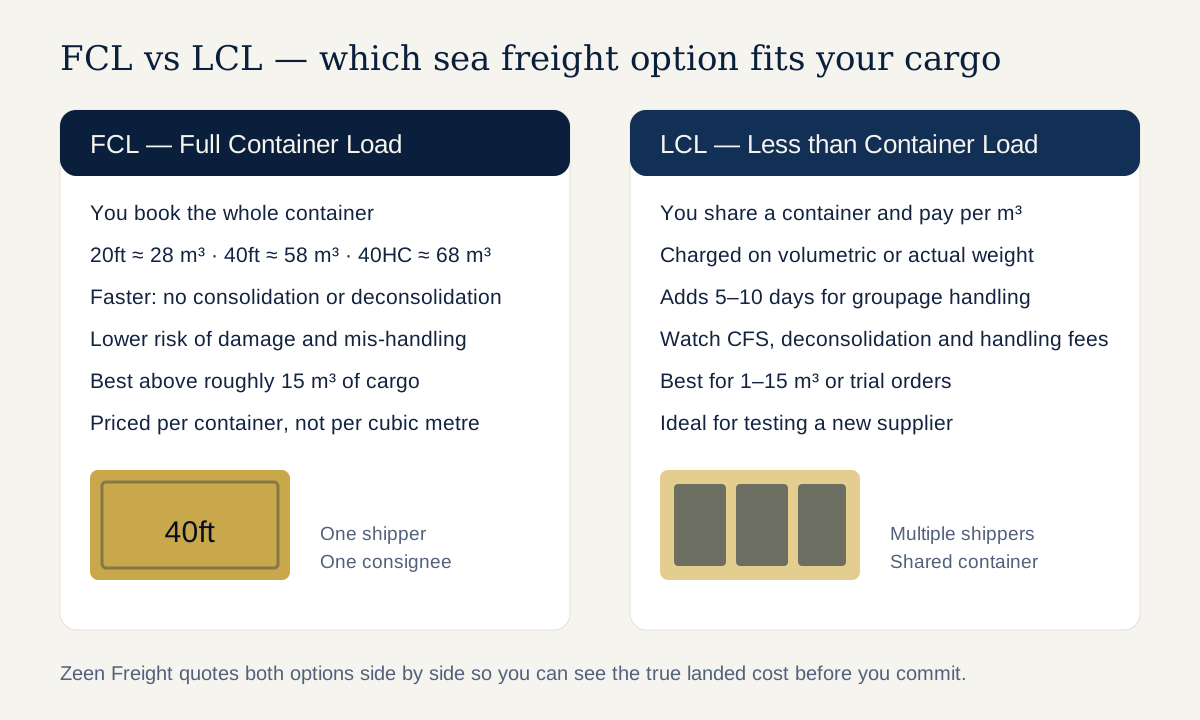
With FCL shipping you buy the container, not the space inside it, so a 40ft high cube that is 80% full still costs the same as one packed to the roof. That makes FCL the right call for consistent volume, fragile goods, and anything where you cannot afford groupage handling. With LCL shipping you pay per cubic metre or per 1,000kg, whichever is greater, which is ideal for a first trial order from a new supplier — but watch the destination charges. CFS handling, deconsolidation and documentation fees at Durban or Cape Town can quietly add more than the ocean freight itself on a small consignment.
We quote both side by side on every enquiry, with the customs duty, VAT and inland delivery included, so you are comparing true landed cost rather than an ocean rate that hides half the bill.
Choosing the right equipment is the difference between one clean shipment and a re-pack at the port.
| Container | Internal capacity | Max payload | Typical use |
|---|---|---|---|
| 20ft standard | ≈ 28 m³ | ≈ 28 000 kg | Dense cargo — tiles, machinery, spares, steel |
| 40ft standard | ≈ 58 m³ | ≈ 26 500 kg | General volume freight and mixed pallets |
| 40ft high cube | ≈ 68 m³ | ≈ 26 500 kg | Light, bulky goods — furniture, packaging, retail |
| 20ft / 40ft reefer | ≈ 26 / 57 m³ | ≈ 27 000 kg | Temperature-controlled agri, food and pharma |
| Open top & flat rack | Project dependent | Project dependent | Out-of-gauge plant, machinery and abnormal loads |
If your cargo is dense you will hit the weight limit long before you fill the box, and South African road regulations on axle mass mean an overloaded container can be legal at the port and illegal on the N3. We check the loaded weight against the inland leg before we confirm a booking, which is a detail that catches a surprising number of first-time importers.
Roughly six out of every ten containers entering South Africa come across a quay in Durban, so that is where most of the work happens. We clear and coordinate at Durban Container Terminal on Pier 1 and Pier 2, at Maydon Wharf for breakbulk and agricultural cargo, and at Island View for liquid bulk. For Western Cape consignees we work the Cape Town Container Terminal directly, and Gqeberha and Ngqura handle automotive, citrus and manganese volumes for the Eastern Cape.
Being a Gauteng-based forwarder with people on the ground at the coast matters more than it sounds. A container sitting at DCT because a tariff heading was queried does not care where your office is — it accrues storage and demurrage daily. We watch the vessel, lodge the entry before arrival wherever the documents allow it, and pre-book the truck so the box moves the day it is released.
If you import through KwaZulu-Natal specifically, our Durban freight forwarder and customs clearing page covers the terminals, charges and timelines in more detail.
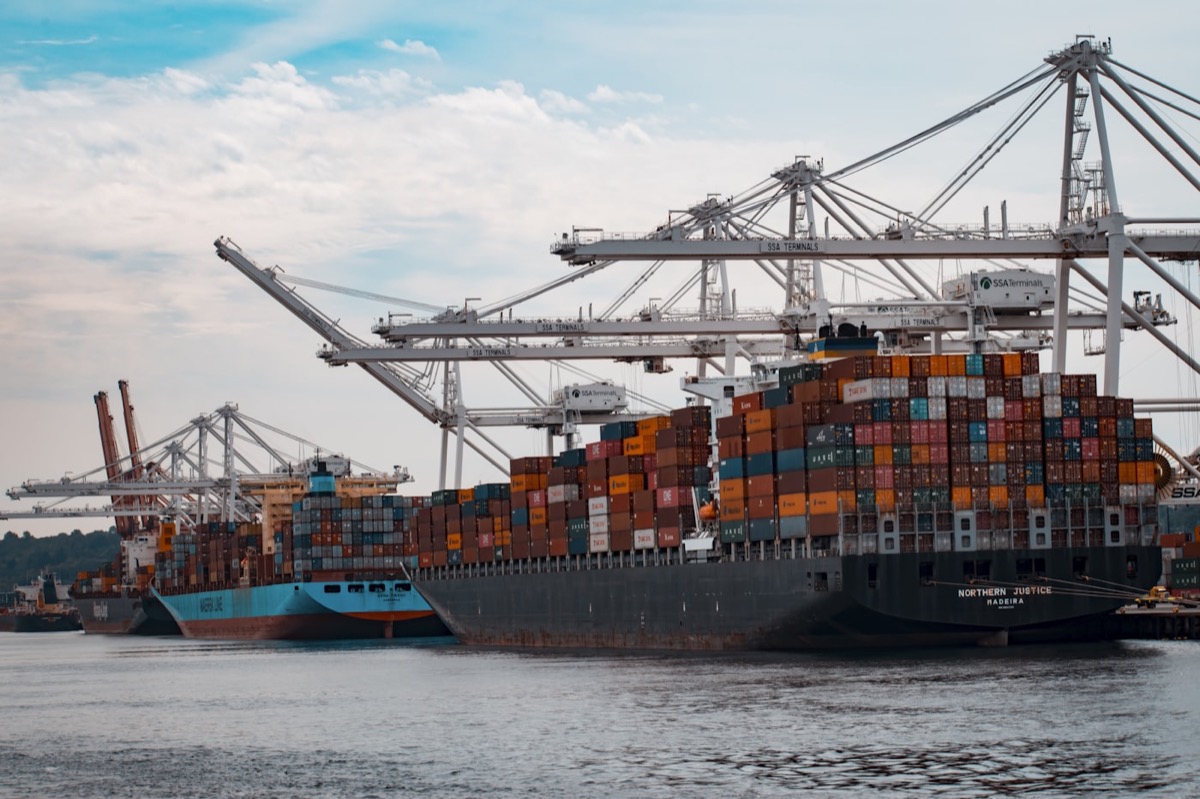
Ocean rates move with the market, but a large part of what importers pay is self-inflicted and entirely fixable.
Consolidate your orders so you ship fuller containers less often rather than half-empty containers monthly. Get your supplier onto the right Incoterm — buying FOB instead of CIF hands you control of the ocean leg and the ability to shop the rate, and it stops your supplier marking up freight you cannot see. Book earlier: spot rates within a fortnight of sailing are consistently worse than a booking placed three to four weeks out, and peak-season surcharges from Asia bite hardest in the run-up to Chinese New Year.
Then look at the charges after the ocean leg. Free-time on demurrage and detention is negotiable at booking, not after the container has been standing for a week. Correct tariff classification can legitimately change your duty rate by double digits. And clearing an entry before the vessel berths, rather than after, routinely saves several days of storage. Those four levers usually save more than any rate negotiation.
FCL (full container load) means you book an entire container, typically a 20ft or 40ft unit, and it travels sealed from origin to destination. LCL (less than container load) means your cargo shares a container with other shippers, so it is consolidated at origin and deconsolidated at a depot on arrival. FCL is usually cheaper per cubic metre once you fill roughly 15 cubic metres or more, and it is faster because there is no consolidation step.
As an indication, Jebel Ali to Durban runs about 14 to 22 days port to port, Shanghai or Ningbo to Durban about 25 to 35 days, Felixstowe or Southampton to Durban or Cape Town about 18 to 30 days, and the US East Coast to Durban about 25 to 38 days. LCL adds roughly 6 to 10 days for consolidation and deconsolidation. Transhipment, carrier schedules and port congestion all move these numbers, so we confirm a sailing schedule with every quote.
FCL is quoted per container. LCL is quoted per revenue ton, which is one cubic metre or 1,000 kilograms, whichever is greater. On top of the ocean rate you should budget for terminal handling at both ends, bill of lading and documentation fees, the ISPS security charge, the customs entry, duty and VAT, and inland haulage from the port. Demurrage and detention only apply if the container sits longer than the free days allowed.
We arrange clearance and delivery through Durban, Cape Town, Gqeberha (Port Elizabeth), Ngqura and Richards Bay. Durban handles the largest share of container volume into South Africa, and Cape Town is generally the better option for Western Cape delivery and for reefer cargo.
A commercial invoice, a packing list, the bill of lading, and a SAD500 bill of entry for customs. You also need a customs client code registered with SARS. Depending on the commodity you may need a certificate of origin, a EUR1 for preferential European origin, an ITAC import permit, NRCS approval or a DAFF permit. We tell you which of these apply before the cargo moves.
Yes. Zeen Freight is a SARS-licensed customs clearing agent, so the ocean booking, the customs entry and the inland delivery are handled by the same team rather than passed between a forwarder and a separate broker.
Yes. Cargo that will not fit a standard container can move as breakbulk, on flat racks or in open-top containers. These shipments need lifting plans, route surveys and port coordination, so we ask for dimensions, weights and centre of gravity early.
Send us the origin, destination, commodity and rough weight or volume and we will come back with a landed cost, not just a freight rate.